
Understanding the tooth implant stages helps you know what to expect, how long each step takes, and why some cases need extra care. This guide explains each phase of implant care in plain language, the typical timeline, and when to call your dentist. Read on to learn the main tooth implant stages and what happens at each visit.
Understanding the Tooth Implant Stages
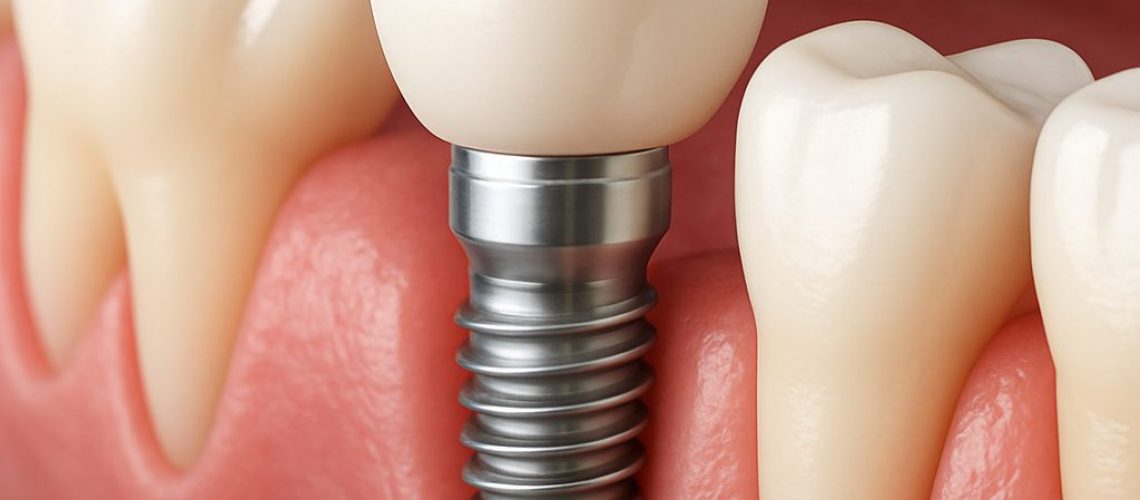
Dental implants replace missing teeth with a titanium post, an abutment, and a crown. The post acts like a tooth root, the abutment connects the post to the crown, and the crown is the visible tooth. The goal is a stable, natural-looking tooth that functions like the real thing.
Stage 1: Initial Consultation & Treatment Planning
At the first visit you’ll have an exam, X-rays or a CBCT scan, and a review of medical history. The dentist or surgeon will map where the implant should go and make a personalized plan, including timelines and costs.
How implant planning reduces risks
Digital imaging and careful surgeon input help place the implant in the safest, strongest spot. Planning avoids nerves, sinuses, and weak bone, lowering the chance of complications.
Stage 2: Preparatory Procedures (If Needed)
Some patients need extra work before placement. This can include removing damaged teeth, bone grafts to build up the jaw, or sinus lifts for upper back teeth. These steps add time but improve long-term success.
How long healing takes after these procedures
Healing varies: simple extractions may take a few weeks, while bone grafts or sinus lifts often need 3–6 months to heal enough for implant placement. Health, smoking, and infection control affect healing time.
Stage 3: Implant Placement Surgery
During this visit the titanium post is placed into the jawbone. Sedation options range from local numbing to IV sedation. The surgery often takes under an hour for a single implant. Mild swelling and soreness are common afterward.
Minimally invasive options and pain control
Minimally invasive techniques and local anesthesia reduce pain and recovery time. Your team will give pain meds, cold pack instructions, and care tips for the first few days.
Stage 4: Osseointegration and Healing
Osseointegration is when bone grows around the implant, locking it in place. This usually takes 3–6 months; lower jaw often heals faster than upper jaw. Normal signs are mild tenderness and steady improvement. Signs to call the dentist include increasing pain, persistent swelling, fever, or loosening of the implant.
Stage 5: Abutment & Digital Impressions
After the implant is stable, the abutment is attached to connect the crown. Digital impressions use an intraoral scanner to capture your bite—no messy molds needed. These scans guide the lab in making your crown.
Why digital impressions matter
Digital impressions are faster, more comfortable, and more accurate. They help the crown fit better and reduce adjustments.
Stage 6: Final Crown Placement & Bite Adjustment
The final crown is fitted, adjusted for bite, and then cemented or screwed in place. Expect a short adjustment period as you get used to the new tooth. Normal sensitivity may last a week or two.
Typical Timeline: How Long Each Tooth Implant Stage Takes
Consultation: 1 visit. Preparatory healing: weeks–months. Placement: 1 day. Osseointegration: 3–6 months. Final crown: 1–2 visits.
Risks, Complications, and How They're Managed
Common issues include infection, implant failure, and nerve irritation. Prevention includes good planning, clean technique, antibiotics if needed, and follow-up care. Problems are treated with cleaning, meds, or implant removal in rare cases.
Aftercare: Maintaining Your Implant Long-Term
Brush twice daily, floss around the implant, and see your dentist for routine checkups and cleanings. Avoid hard habits like chewing ice. Good oral hygiene keeps implants healthy for years.
FAQs About Tooth Implant Stages
Is it painful? Most report mild to moderate discomfort controlled with meds. What are success rates? Implants have high success rates—often 95% or higher with good care. Any age limits? Adults of almost any age can get implants if bone and health allow. Does insurance cover it? Coverage varies; many practices offer financing options.
About Key Dental Group
Key Dental Group serves Madison and Pearl, Mississippi, with nearly 25 years of care. The team includes general dentists and an in-house oral and maxillofacial surgeon. They use digital impressions, precision milling, and multiple sedation options to make implant care efficient and comfortable.
Next Steps / Call To Action
Ready to review your tooth implant stages? Schedule a consultation with Key Dental Group to get a personalized plan and timeline. Contact the office to book an appointment and discuss your options.