Most people who have lost a tooth due to an injury or decay are excellent candidates for a permanent fix. To qualify, you generally need to have healthy gums and a jawbone that is strong enough to support a new tooth. If you are researching dental implants in Madison, you will see that this modern solution is designed to look, feel, and function just like your natural teeth.
What Makes Someone a Good Fit?
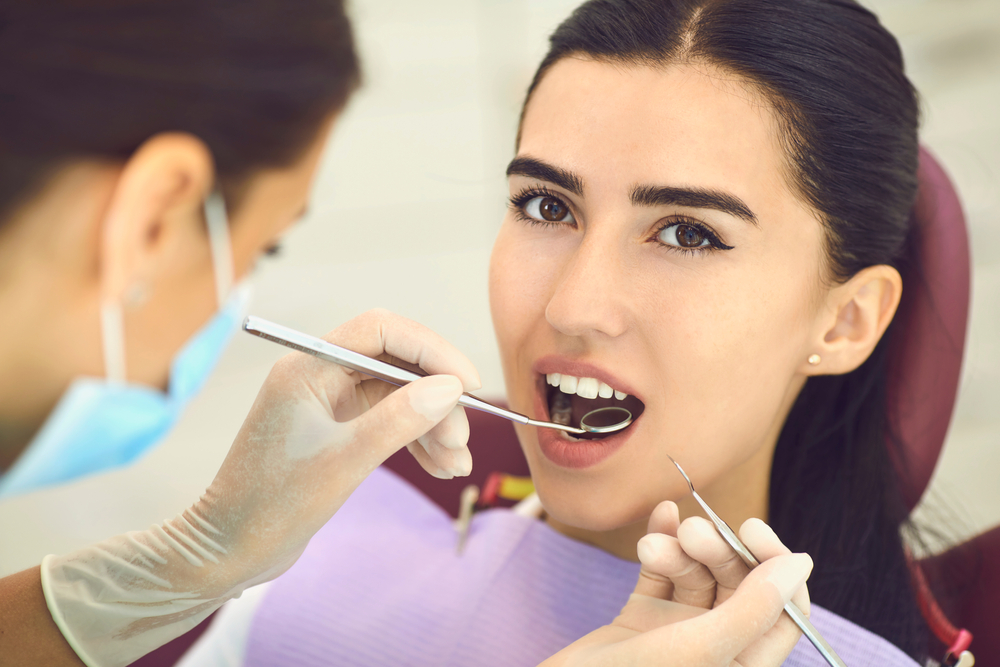
The first thing a dentist looks for is the health of your mouth. Since an implant is a small post that sits inside your jaw, your body needs to be able to heal around it. This is why having a strong immune system is very helpful. If you are interested in dental implants, the process starts with a simple exam to check the foundation of your smile.
Age is rarely a factor once you are an adult. As long as your jaw has finished growing, you can usually move forward with treatment. It does not matter if you are 25 or 85; the goal is to give you a stable way to eat and speak without worrying about your teeth slipping or clicking.
The Importance of Bone and Gum Health
To understand your dental implant eligibility, you have to think about your jawbone like the foundation of a house. If the ground is soft or missing, the house won’t stay up. When you lose a tooth, the bone in that area can sometimes shrink over time. However, even if you have lost some bone, there are ways to fix it using a simple process called bone grafting.
Finding a supportive dental office near you is the best way to get a clear picture of your jaw health. They use special scans to see exactly how much bone you have left. Healthy gums are also a must because they act as a seal around the new tooth, keeping bacteria away from the implant.
Common Health Factors to Consider
Some lifestyle choices and health issues can change how well an implant heals. While they don’t always mean you can’t get an implant, they are important to talk about with your dental team.
- Smoking: This can slow down healing and make it harder for the bone to attach to the implant.
- Diabetes: If it is well-managed, you are usually fine, but uncontrolled blood sugar can lead to infections.
- Gum Disease: This needs to be treated and cleared up before any surgery begins.
- Medications: Some drugs that affect bone density might change your treatment plan.
Comparing Your Options for Missing Teeth
It is helpful to see how implants stack up against other ways to replace teeth. While there are several choices, implants are often the most popular because they don’t rely on the teeth next to them for support.
| Feature | Dental Implants | Dental Bridges | Dentures |
| How long do they last | Can last a lifetime | 5 to 15 years | 5 to 10 years |
| Bone health | Keeps the jawbone strong | Does not stop bone loss | Can lead to bone loss |
| Maintenance | Brush and floss normally | Needs special cleaning | Must be removed to clean |
| Eating | Eat anything you want | Can be hard with sticky food | Can slip while chewing |
The Detailed Breakdown of the Process
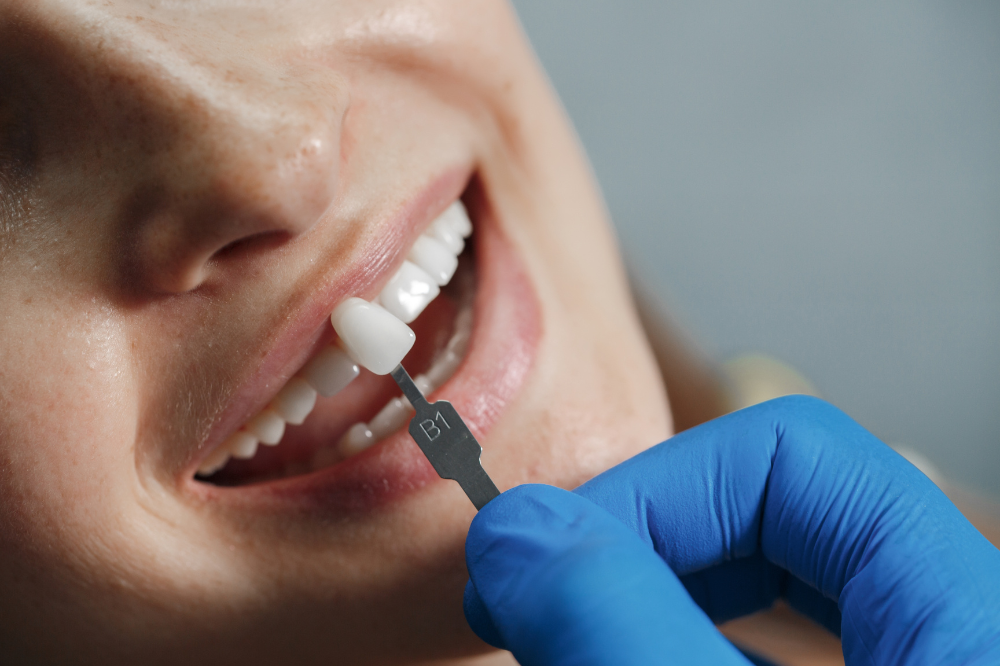
The journey to a new tooth happens in a few stages. First, the post is placed into the jaw. Then, you wait a few months for the bone to grow around it and lock it in place. Finally, a custom-made crown is attached to the top. This crown is matched perfectly to the colour and shape of your other teeth, so nobody will even know it is an implant.
Even if you have been missing a tooth for years, it is worth asking about. Modern technology has made the procedure very predictable and comfortable. Most patients say the recovery is much easier than they expected and feels similar to having a tooth pulled.
Your New Beginning Starts Here
The procedure for fixing your smile is one that could greatly change your life for the better. At Key Dental Group, patients can expect an easy-to-understand process for an enjoyable experience. The team will help you at each step, from the moment you first get scanned till the moment you leave, with a complete smile. We think everyone has a right to feel confident while eating, speaking, and laughing. If you would like to see if this program is right for you, we would love to meet you personally and answer all of your questions.
Give us a call today to book your consultation and take the first step toward a smile that lasts!
Frequently Asked Questions
How long does the whole process take from start to finish?
The entire journey usually takes about three to six months. Most of that time is spent waiting for your jawbone to heal and become strong enough to hold your new tooth permanently.
Is the surgery painful for most patients?
Most people feel very little during the procedure because the area is numbed. Afterward, you might have some minor soreness, but it is usually managed easily with basic over-the-counter pain medicine.
What happens if I don’t have enough bone for an implant?
If your bone is too thin, your dentist can perform a “bone graft.” This involves adding a small amount of new bone material to the area to make it thick enough to support the implant.
Do dental implants require special cleaning tools?
No, you treat them just like your natural teeth! You simply brush them twice a day and floss around them to keep your gums healthy and the implant secure.